
May 2026

Five Signs Your Business Is Ready to Hire Its First Employee
For many business owners, hiring a first employee is a major milestone. It’s often a sign that demand is growing, the business is gaining momentum, and you're no longer able to do everything yourself. But hiring too early can create financial pressure, while hiring too late can restrict growth and lead to burnout. Here are five signs your business may be ready to take on its first employee. 1. You're Turning Work Away If you're regularly declining enquiries, extending lead times, or struggling to respond to customers quickly enough, capacity may be limiting your growth. A new employee could help

Director’s Loan Accounts Explained: What Every Business Owner Needs to Know
If you run a limited company, there’s a good chance you’ve heard your accountant mention a Director’s Loan Account (DLA). But many business owners aren’t entirely sure what it is, how it works, or why it matters. Getting it wrong can lead to unexpected tax bills and compliance issues. Getting it right can help you manage cash flow more effectively and avoid costly mistakes. What Is a Director’s Loan Account? A Director’s Loan Account records money that moves between you and your limited company outside of salary, dividends, or expense reimbursements. In simple terms: If you put your own money
April 2026

The £100k–£500k Revenue Trap (and How to Break Through)
Stuck Between £100k and £500k? You’re Not Alone. A lot of businesses hit the same plateau: You’ve proven the model You’re generating steady revenue You’re busy… often too busy But growth slows, or completely stalls. Welcome to what we call the £100k–£500k revenue trap. What this stage looks like At this level, most business owners are: Doing everything themselves Making decisions based on gut feel Watching the bank balance closely Struggling to increase profit despite more work On the surface, things look fine. Behind the scenes, it often feels messy. Why businesses get stuck here It’s rarely about effort. It’s

Cash Flow vs Profit: Why Your Business Can Be “Profitable” and Still Struggle
It’s one of the most common (and dangerous) misunderstandings we see: “We’re making a profit, so everything’s fine.” On paper, that might be true. In reality, your business could still be heading toward a cash crisis. Profit is not cash Profit is an accounting figure. Cash is what actually keeps your business alive. You can be profitable and still run out of money if: Customers are slow to pay You’re holding too much stock You’ve invested heavily in growth You’re repaying loans or financing VAT or tax payments are looming None of these show up clearly in your profit figure,
March 2026

Business Growth Starts with the Right Advisor
Every business owner wants growth—but growth doesn’t happen by accident. It comes from making the right decisions at the right time. And those decisions are only as good as the advice behind them. That’s why having the right accountant isn’t just helpful—it’s essential. More Than Just Numbers Many people think accountants are there to file returns and keep things compliant. But the right advisor does much more. They help you: Understand your financial position Plan for the future Identify opportunities to improve profitability Avoid costly mistakes At its best, accounting becomes a strategic partnership, not just a service. What Does
February 2026

Choosing the Right Business Structure — Sole Trader or Limited Company?
If you’re starting a new business in the UK, one of the first big decisions you’ll make is choosing your legal structure. This choice affects your tax, liability, admin responsibilities, and even future growth options. Two of the most common options are operating as a sole trader or forming a limited company — but which is right for your business? Here’s a clear guide to help you make an informed decision. Sole Trader: Simple, Flexible, and Quick to Start Being a sole trader is the easiest way to begin trading. You run the business as an individual — and keep
July 2025
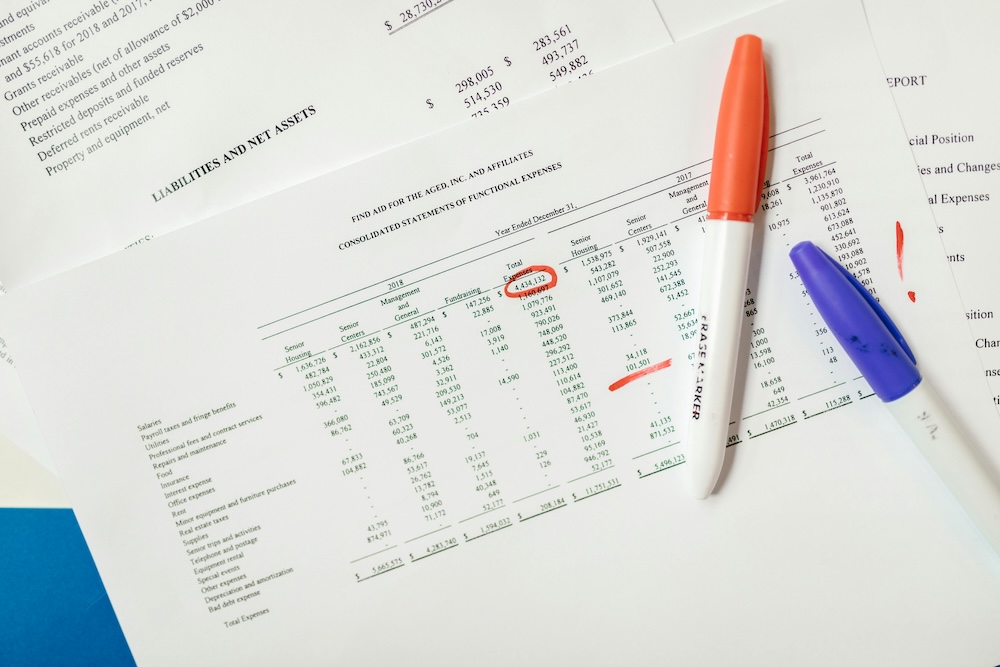
7 Business Expenses You Might Be Missing
Keeping track of expenses is key to reducing your tax bill. But many business owners miss out on legitimate deductions simply because they don’t know what qualifies. Here are seven common business expenses you might not be claiming—but should be. 1. Mobile Phone Bills If you use your phone for business calls, part of your bill may be deductible. Keep a breakdown of business vs. personal use for accuracy. 2. Home Office Costs Working from home? You may be able to claim for a portion of your rent, utilities, broadband, and even council tax. A simplified flat-rate method is also

Should You Be a Sole Trader or Limited Company?
If you're starting a new business, one of the first key decisions you'll face is choosing your legal structure. Most small businesses in the UK start as either sole traders or limited companies. Each option has its benefits—and drawbacks. Here’s a quick guide to help you decide what’s right for you. Sole Trader: Simple and Flexible A sole trader is the simplest way to start a business. You run it as an individual and keep all the profits (after tax). You’re also personally responsible for any debts. Pros: Easy and quick to set up Fewer admin and reporting requirements Full